
Greece combines ancient stone temples, white island villages and relaxed lunches beside the sea in a way few places can match. Greece tours help every traveler enjoy that mix with ease, from couples and families to friends and solo visitors. First-time visitors also get a clear, comfortable plan from the very start.
Across the country, the scenery changes from city ruins to cliff villages, mountain monasteries and green islands. The tours vary too, from walking tours and boat days to private drives and cooking classes. Most include useful comforts, like a local guide, a meal and a swim. My Greece Tours explains it region by region below.
What Are The Best Greece Tours In Athens?
The best Greece tours in Athens start at the Acropolis and its museum. They then add the old lanes of Plaka, a boat day or a food class. Many travelers compare Greece tours and Tours In Greece to find the right day for their pace. The capital is where most journeys begin.
What draws travelers to Athens?
The Acropolis is the hill above the city, and its name means high city. The Parthenon stands on top, a marble temple built for the goddess Athena. Beside it sits the Erechtheion, famous for the stone maidens that hold up its porch. Guides explain how these temples shaped Western ideas about beauty and architecture.
Below the hill, the Acropolis Museum shows statues found on the rock, and glass floors reveal old streets beneath. The Ancient Agora was the old market and meeting place, where people shopped, voted and argued about ideas. Nearby, the giant columns of the Temple of Olympian Zeus show how big the old builders dreamed.
Plaka and Monastiraki fill the streets below with little shops, cafés and lively squares. From Lycabettus Hill, the city spreads out in white, with the Acropolis glowing in the evening light. Outside town, the Temple of Poseidon at Cape Sounion stands on a cliff above the sea, a favourite spot at sunset.
What kind of Greece tours reach Athens?
Private Greece tours with a driver-guide suit families with young children, older travelers and anyone who likes a slow pace. The car waits, the plan bends, and a single price covers the whole party. A private skipper does the same at sea, along the coast south of the city.
Boat cruises with swim stops are a popular choice for friends and couples who want sun after the ruins. Guided walking tours suit first-time visitors best, since a guide leads the way through the Acropolis, the Agora and Plaka. Along the route, old stones turn into clear, memorable stories.
Cooking classes and wine tastings round out the list. Food lovers learn to roll pies, mix dips and taste local wines in a warm kitchen. These classes suit solo travelers well, since everyone shares one table and talk comes easily.
Which comforts are part of Greece tours in Athens?
A licensed guide is the biggest comfort on Greece tours in Athens. Only trained guides can lead inside the main sites, and they know where the shade is. A local guide also points out good food spots, quiet corners and the best places for photos.
On boat days, lunch or a BBQ meal on deck keeps everyone full and happy between swims. Drinks are included, and on some cruises they are unlimited. Swim stops in clear bays give a cool break from the city heat, which children and older travelers love.
Wine tastings add a slower kind of comfort. Hosts pour local wines, explain the grapes in plain words and serve small bites alongside. It is a gentle way to finish a long day of walking.
What should you remember in Athens?
Start early, because the Acropolis is cooler and calmer in the morning. Read up on the best time to visit Athens before booking, since spring and autumn feel far softer than high summer. Late afternoon works well for Lycabettus Hill and the walk down to dinner.
Wear shoes with good grip, since the marble paths are smooth and slippery. Bring a hat, sunscreen and a refillable water bottle. Pack a swimsuit and a light towel on boat days, and keep a scarf handy for church visits in Plaka.
How Can You Get More From Greece Tours In The Cyclades?
Travelers get more from Greece tours in the Cyclades by pairing a famous village with a boat day. Swim stops, sea caves and island food make the trip complete. The islands sit close together, which makes Greek island hopping by ferry feel simple. Every island has its own look and mood.
What draws travelers to the Cyclades?
Santorini is the star of the Cyclades for many visitors. Its white villages cling to the edge of a huge sunken volcano, and blue domes shine against the sea below. Oia and Fira draw crowds at sunset, while quieter villages like Imerovigli give the same view with more calm.
On Mykonos, a row of old windmills stands on a hill above the town, once used to grind grain. Little Venice sits below, with colourful houses right on the water. A short boat ride away lies Delos, a holy island where ancient Greeks believed the god Apollo was born.
Milos is famous for its sea caves and pale rocks shaped by wind and waves, best explored by boat. Naxos has an old town of narrow lanes climbing to a castle, plus a huge marble doorway by the sea. On Paros, the harbour of Naoussa mixes fishing boats, tavernas and bright evening life.
What kind of Greece tours reach the Cyclades?
Couples and families who want a boat to themselves choose private Greece tours with a skipper. The cost is shared by everyone on board, and the skipper picks bays that suit the wind. On land, a private driver-guide links villages, beaches and wineries without bus timetables.
Shared boat cruises with swim stops suit friends and solo travelers who enjoy meeting new people. Snorkel trips and beginner scuba dives open up the clear water around Milos and Santorini. Instructors teach the basics on board, so even shy beginners can try.
Travelers short on time take full-day trips from Athens by coach and fast ferry, then return to the city at night. Cooking classes and wine tastings suit food lovers, and Santorini wineries pour crisp white wines grown in volcanic soil. Island kitchens teach simple dishes with fresh cheese and herbs.
Which comforts are part of Greece tours in the Cyclades?
Cyclades boat days come with lunch or a BBQ meal cooked on board, with grilled meat and Greek salad. Drinks are part of the deal, and on some cruises they flow without limit. That saves everyone from searching for a shop under a strong sun.
Snorkel gear is handed out on board, so nobody needs to pack masks or fins. Swim stops come at quiet bays and beside the sea caves, where the water turns bright blue. Free time in Oia, Mykonos town or Naoussa lets travelers shop, eat and explore at their own speed.
On Greece tours in the Cyclades, a licensed guide matters most at Delos. The ruins there make little sense without the stories behind them. Wine tastings at island vineyards add a relaxed, delicious ending to an active day.
What should you remember in the Cyclades?
Book boat days early in summer, since the most popular cruises fill fast. Check the wind forecast too, because strong northern winds can change sailing plans. Leave spare time between ferry rides, as rough seas can shift timetables. Visit Oia or Fira earlier in the day for calm lanes and easy photos.
Pack reef-safe sunscreen, a hat and water shoes for rocky beaches. A light jacket helps on deck when the wind picks up. Keep cash for small cafés and a dry bag for phones on boat days. Santorini’s steep steps call for sandals with good grip.
How Do Visitors Enjoy Greece Tours In The Classical Sites?
Visitors enjoy Greece tours in the classical sites most when a guide brings the ruins to life. Pairing Delphi with Meteora, or Mycenae with Nafplio, makes an easy route. These places hold the myths, games and plays that shaped Greek life long ago. Most lie on the mainland, within reach of Athens.
What draws travelers to the classical sites?
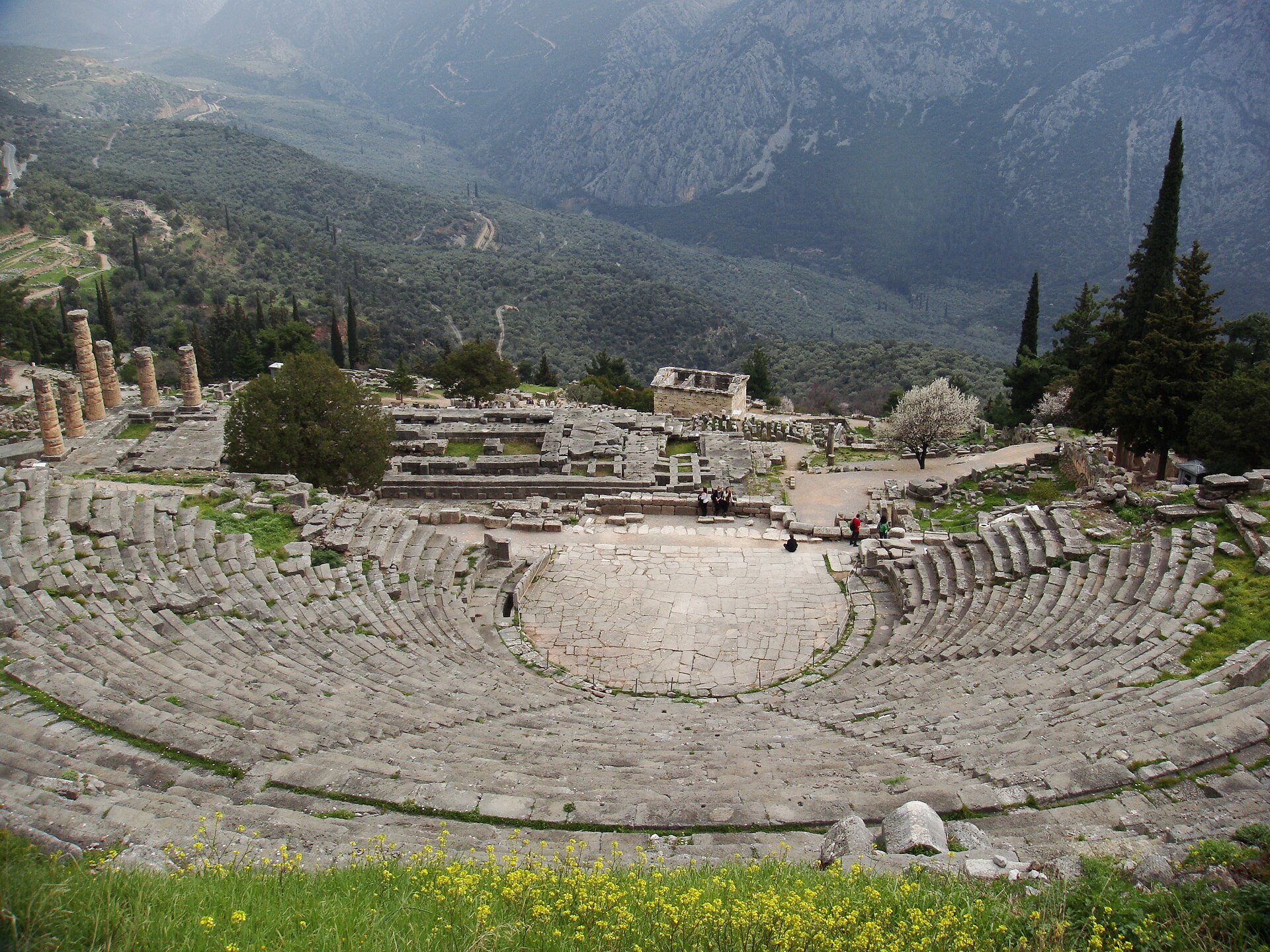
Delphi was a holy place high on the slopes of Mount Parnassus. The ancient Greeks called it the centre of the world. People climbed here to ask the oracle, a priestess who spoke for Apollo, about their future. The monasteries of Meteora crown tall rock towers. Monks once reached them by rope and net.
Mycenae was the hilltop fortress of King Agamemnon in the old tales. Visitors walk through the Lion Gate, named for the stone lions carved above it. At Epidaurus, an ancient theatre sits in a green valley. Its sound is so clear that a coin dropped on stage can be heard in the top seats.
Nafplio is a pretty harbour town with a castle on the hill and a tiny fort in the bay. Ancient Olympia is the birthplace of the Olympic Games, and visitors can still walk into the old stadium. The canal at Corinth cuts a deep, narrow path through solid rock to link the seas.
What kind of Greece tours reach the classical sites?
Small shared Greece tours fit only a few guests in a minivan. They suit couples and solo travelers who want a personal feel. Full-day trips from Athens by coach suit travelers on a budget and first-time visitors. Both reach Delphi, Mycenae or the canal and return to the city by night.
Guided walking tours inside the sites suit curious minds of every age, since the guide explains each stone and story. Independent travelers simply buy entry tickets and wander at their own pace. This option works well for history lovers who enjoy lingering.
Multi-day tours with hotel nights join the big names into a loop. A classic route links Delphi and Meteora, while another covers Mycenae, Epidaurus, Nafplio and Olympia. They suit families and older travelers, since the days feel calmer and nobody rushes back to Athens.
Which comforts are part of Greece tours in the classical sites?
A licensed guide is the heart of Greece tours in the classical sites. Ruins can look like scattered stones to the untrained eye. A good guide rebuilds them in words, telling of oracles, kings, athletes and actors until the whole place feels alive again.
Entry tickets come with many of these tours, which saves time at busy gates. Travelers walk straight in while others wait in the sun. It also removes the worry of finding the right ticket booth at large sites like Delphi or Olympia.
On multi-day trips, hotel nights are booked ahead and sit close to the sites. That means waking up near Meteora at dawn or strolling along Nafplio’s harbour after dinner. Luggage stays in the room, and nobody has to organize where to sleep.
What should you remember in the classical sites?
Arrive at the sites early, before the coaches and the midday heat. Most ruins have little shade, so morning visits feel far easier on children and older travelers. Delphi and Meteora also look their best in soft early light. Plan rest stops between big sites, as the roads wind through the hills.
Wear sturdy shoes, as the paths are rocky and uneven. Bring plenty of water, sunscreen and a wide hat. At Meteora, the monasteries expect modest clothing, so women need a long skirt, men need long trousers and shoulders stay covered. Carry a light layer, since the higher spots catch cool breezes.
How Should You Plan Greece Tours In Crete And Beyond?
Plan Greece tours in Crete and beyond around a base town, then add a beach boat day and a guided visit. Each island deserves time of its own. Crete is large and varied, while Rhodes, Corfu and Zakynthos each add historic towns and bright water, linked by ferries and flights.
What draws travelers to Crete and beyond?
On Crete, the palace of Knossos was the heart of the Minoans. They were an early people who ruled the island long ago. The palace’s painted walls and maze of rooms fed the myth of the Minotaur, a bull-headed monster. In the west, Chania old harbour curves past a lighthouse and pastel houses.
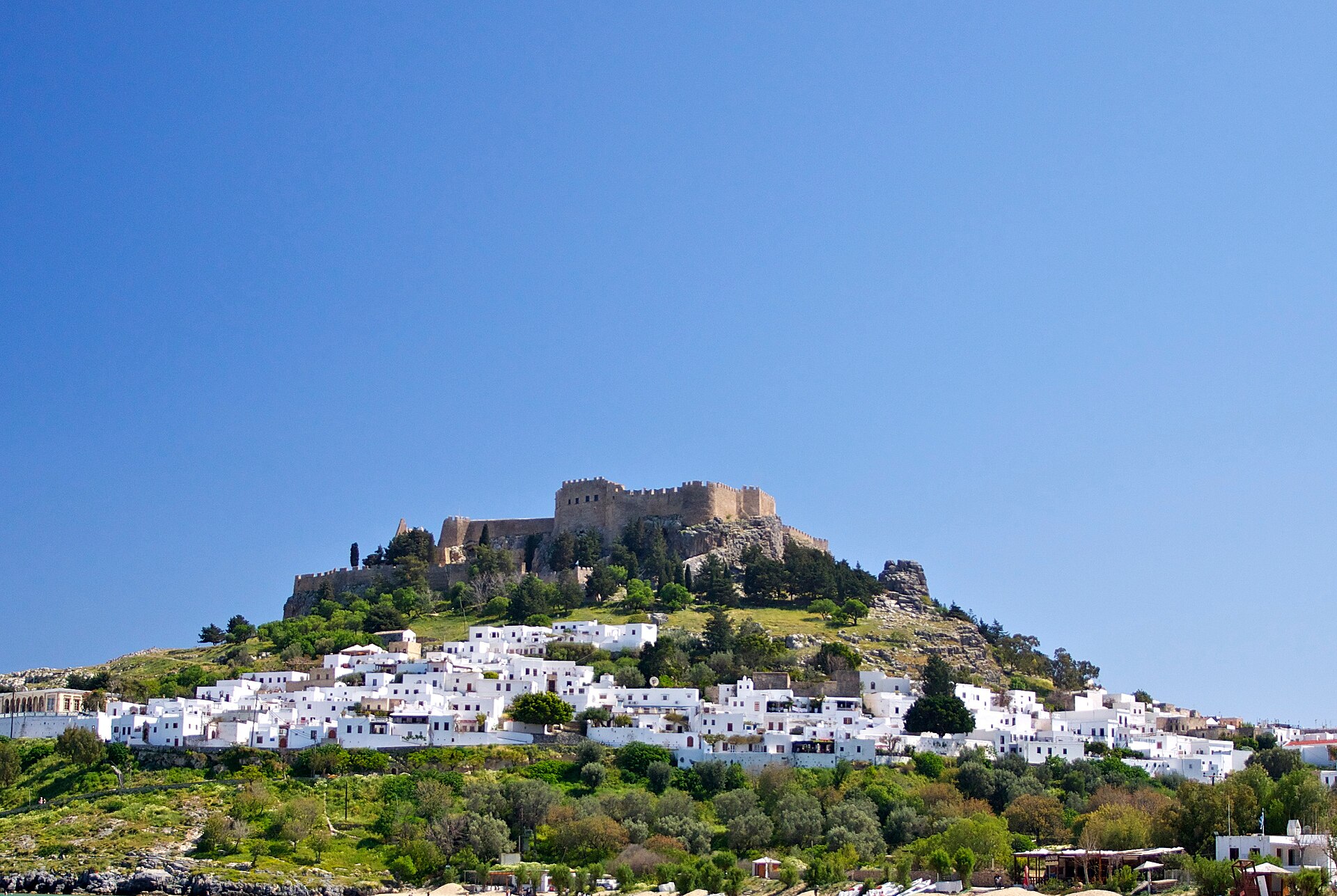
West Crete also holds the lagoons of Balos and Elafonisi, with shallow turquoise water and pink-tinted sand. On Rhodes, the Old Town is a walled city from the age of knights, full of stone streets. Down the coast, Lindos stacks white houses below a hilltop acropolis, or high fortress, above a deep blue bay.
Corfu old town feels different again, with Venetian forts, shady arches and a wide green square where cricket is played. On Zakynthos, Navagio is the famous shipwreck beach. A rusty wreck rests on white sand between tall cliffs, and the water around it shines bright blue. The best view comes from the sea.
What kind of Greece tours reach Crete and beyond?
A private driver-guide suits Crete well, since its best spots lie far apart. Families and older travelers enjoy the cool ride, and the price covers everyone in the vehicle. On Corfu and Zakynthos, a private skipper takes couples and friends to quiet coves.
Boat cruises with swim stops are the easiest Greece tours to Balos and Navagio, and they suit every age. Sunset sailings from Chania add a romantic touch for couples. Full-day trips from Athens by coach suit travelers who start in the capital before flying to the islands.
Guided walking tours bring Rhodes Old Town, Chania and Corfu town to life for first-time visitors. Entry tickets suit independent travelers who want Knossos or Lindos at their own pace. Cooking classes and wine tastings in Cretan villages please food lovers of every kind.
Which comforts are part of Greece tours in Crete and beyond?
Greece tours in Crete and beyond lean on the sea, so swim stops matter a lot. Boat days to Balos or Navagio include time in the water, which keeps children and adults cool. Lunch or a BBQ meal on board turns a boat trip into a full, easy day.
Drinks come with most cruises, and on some boats they are unlimited. On land, a licensed guide makes Knossos and the Old Town of Rhodes far easier to understand. Without one, the rooms and walls can feel like a confusing puzzle.
Entry tickets included in a tour save time at the busiest gates in high season. Wine tastings round off many Crete days, with local wines, olive oil and cheese served under the trees. Those slow tastings leave travelers relaxed and satisfied.
What should you remember in Crete and beyond?
Crete is enormous, so choose a base in the west or east instead of trying to cover everything. Book Balos and Navagio boats early in summer, and go in the morning when the sea is calmer. Island flights and ferries also need booking well ahead in summer.
Pack water shoes, a hat and strong sunscreen, since lagoon sand gets hot and shade is rare. Bring a light cover-up for churches and monasteries. A small backpack helps on walks through Rhodes, Lindos and Corfu, where lanes are steep and cobbled.
Conclusion: Top Greece Tours, Planned Well
Greece tours work best when travelers match each region to the right kind of day. Athens shines with guided walks and food, the Cyclades with boats and swims, and the mainland with history. Crete and the other islands blend all of it, from palaces to pink sand.
Good planning turns Greece tours into a calm, happy trip for couples, families, friends and solo visitors alike. Anyone arranging travel for others can read the guide for trip organizers for clear next steps. After that, all that remains is to pack light and enjoy the Greek sunshine.
Frequently Asked Questions About Top Greece Tours
Are Greece tours easy for older travellers?
Yes, many Greece tours suit older travelers well, especially private and multi-day options. Private drives, hotel nights and calm boat cruises keep the pace gentle and the walking short. Choosing early visits and comfortable shoes with good grip makes rocky sites like the Acropolis far easier to enjoy.
Are Greece tours worth it for a short trip?
Yes, Greece tours save a lot of planning and head straight to the best sights. A guided walk in Athens plus a boat day or a coach trip to Delphi fits well into a short stay. Travelers go home having seen far more than they could manage alone, without wasting precious time.
Do Greece tours suit first-time visitors?
Greece tours suit first-time visitors very well, because every detail is organized for them. A guide handles the routes, the tickets and the stories, so newcomers can relax and enjoy the views. Walking tours in Athens and boat days in the islands make a gentle first taste of the country.
Which Greece tours do visitors book most?
The most booked Greece tours are Acropolis walks, Santorini and Mykonos boat cruises, and coach trips to Delphi. Private tours with a skipper and cooking classes with wine tastings follow closely behind in popularity. Each one combines famous sights or delicious local food with genuine comfort.
Do Greece tours include entry tickets?
Many guided Greece tours to the classical sites and Knossos include entry tickets. Boat cruises and cooking classes do not need them at all. Travelers should read what is included before booking, since some walking tours leave tickets out to keep things flexible.
Are Greece tours good for children?
Greece tours are great for children when the day mixes stories with play. Kids love boat days with swim stops, snorkel trips, cooking classes and myths told at the Acropolis or Knossos. Private tours help families set their own pace, with plenty of rest whenever little legs get tired.
How do you handle meals on Greece tours?
Many Greece tours include breakfast at the hotel and leave other meals open. Travelers then pick local tavernas and try regional dishes at their own pace. Guides often point out good places to eat near each stop. This mix keeps meals relaxed and gives everyone a genuine taste of everyday Greek life.
What to expect from included meals
Hotel breakfasts on Greece tours tend to be simple and filling. Expect bread, thick yogurt with honey, fresh fruit, cheese, eggs and strong coffee. Families appreciate this start because children can choose familiar foods before a long day out.
Some Greece tours add a shared dinner on the first or last night of the trip. These meals bring many small plates to the table at once. Everyone tastes a little of each dish, which is the classic Greek way to eat.
Travelers with allergies or special diets should tell the tour team before the trip starts. Greek cooking uses plenty of olive oil, vegetables and beans, so vegetarian choices are easy to find. A few simple Greek phrases also help when ordering at small family places.
How to eat like a local between stops
Free meals on Greece tours are an opportunity to explore new neighborhoods. A short walk away from the main square often leads to cheaper and calmer tavernas. Menus there show daily dishes cooked that morning, such as stuffed tomatoes, baked beans or slow-cooked lamb.
This list of Greek dishes to try on tour helps first-time visitors order with confidence. Good starters include tzatziki, a yogurt and cucumber dip, and the classic village salad. Grilled fish is a treat on the islands, while the mainland is known for hearty meat stews.
Meals in Greece are slow and social, and locals tend to eat late. Lunch can last well into the afternoon, and dinner rarely starts early. Joining a village feast is one of the best ways to see local Greek traditions up close.
Coffee breaks matter too, and the kafeneio is a traditional village café where older locals meet to talk and play board games. Short stops like these give Greece tours a relaxed rhythm between busy sightseeing hours.
How do you stay safe on Greece tours?
Greece is a safe country for visitors, and Greece tours add extra support. Travelers stay safe by drinking water, using sun cover, watching their bags in crowds and following the guide. Most problems on a trip come from heat and tired feet, not crime.
Beat the heat and stay healthy
The sun is strong on summer Greece tours, even on windy days. Wear a hat, sunglasses and high-factor sun cream, and refill a water bottle at every stop. Many ancient sites have little shade, so morning visits feel far easier than midday ones.
Steep paths and old marble steps can be slippery after years of use. Shoes with good grip matter more than style on these surfaces. Parents will find useful ideas in these family travel tips for Greece, from pacing the day to picking calm beaches.
Pharmacies are easy to find in every town, marked by a green cross. Staff often speak English and can help with minor problems like sunburn or blisters. Travelers on Greece tours should also carry any regular medicine in their day bag.
Stay safe on ferries, streets and sites
Ferries are a big part of island Greece tours. Keep passports and phones in a zipped bag, and stay seated when the sea gets rough. These ferry travel tips explain boarding, luggage and how to handle windy days.
In busy places like central Athens, pickpockets target distracted visitors. Carry a small cross-body bag and keep only one card in a wallet. At night, the main squares and seafronts stay lively and well lit.
Roads need care on the islands as well. Rented quad bikes and scooters are a common cause of injuries on narrow, steep roads. Greece tours with a licensed driver remove that worry for families and first-time visitors.
Inside archaeological sites and museums, only state-licensed guides may lead tours. This rule keeps facts correct and protects the ancient ruins. Stay on marked paths, never climb on old stones, and follow the guide when crowds get thick.
How do you choose Greece tours?
The best Greece tours match a traveler’s pace, budget and interests. Start with the places that matter most, then compare trip length, walking and free time. A clear list of must-sees makes the choice simple. This guide to choosing a Greek tour walks through each step.
Match the trip to the traveler
Couples usually look for relaxing island days, sunset dinners and short boat trips. Friends traveling together may prefer lively towns, beaches and outdoor activity. Solo travelers tend to like Greece tours with a set plan, since meals and transfers are sorted out ahead.
Families need a gentler pace with pool time and short drives. First-time visitors do well with a classic route that covers Athens, a famous ancient site and one or two islands. Return visitors can try quieter areas such as the Peloponnese or the Ionian coast.
History fans should pick Greece tours with long site visits, while beach lovers need more free afternoons. Food lovers can look for cooking classes, wine tastings or visits to olive farms along the way.
Summer brings heat and busy ports, while spring and autumn feel calmer and greener. Some travelers plan around seasonal events in Greece, such as Easter week or summer festivals in island villages.
Read the plan before booking
A good tour plan shows each day clearly, from the first transfer to the last night. Check how many hotel changes there are and which entry fees are included. This advice on how to choose the right itinerary helps compare different Greece tours side by side.
Before booking, travelers should check a few key points. Small details make a big difference once the trip begins.
- Hotel location, close to the old town or the port
- Daily walking time and the type of ground
- Which meals and entry tickets are included
- Free time for beaches, shopping or rest
- Guide languages and the type of transport
Clear answers to these points help travelers avoid unpleasant surprises. They also show whether the cost of Greece tours matches what is on offer.
How do you keep costs down on Greece tours?
Travel outside peak summer, book ferries and hotels early, and choose Greece tours that include the costly parts. Then save on meals, local buses and free sights. These steps reduce spending without sacrificing the most memorable moments.
Pick the right season and book early
Spring and autumn bring warm weather, fewer crowds and lower hotel rates than high summer. This look at the best time to visit Greece compares weather and crowds across the year. Greece tours in these quieter months often feel calmer and better value.
Island ferries fill fast in high season, so early booking secures the best routes and seats. These ferry booking tips explain how to find good connections. Deck seats instead of cabins are a simple way to save on short crossings.
Trip length changes the cost, since shorter Greece tours in one region spend less on flights, ferries and hotel changes. Fewer moves also mean more time at each place and less time packing bags.
Save money during the trip
Free time on Greece tours is where most spending happens. Bakeries sell cheap and filling pies for breakfast or lunch on the go. Souvlaki shops and family tavernas serve generous plates for far less than seafront restaurants.
Local buses and the Athens metro are cheap and easy to use. This guide to public transport in Greece shows how to reach beaches and villages without a taxi.
Markets and small village shops sell olive oil, honey and herbs for less than stores near famous sights. Buying local goods on Greece tours also supports the families who make them.
A refillable bottle saves both money and plastic during long, hot days. Finally, compare what different Greece tours include before paying. A trip that costs a little more but covers entry tickets and transfers often works out cheaper overall.
Which Greece tours travel by coach?
Coach-based Greece tours cover the mainland, linking Athens with ancient sites such as Delphi, Olympia and Mycenae. A comfortable air-conditioned coach carries luggage and travelers between hotels. This style suits first-time visitors who want to see a lot without driving. Families like it too, since nobody reads maps or hunts for parking.
Classic mainland routes by coach
The most popular coach route leaves Athens and heads west across the Corinth Canal into the Peloponnese. This large peninsula holds the ruins of Mycenae, the theater of Epidaurus and the old Olympic grounds at Olympia. Many Greece tours then cross the long bridge near Patras and climb to Delphi.
Delphi was the home of the oracle, a priestess the ancient Greeks believed could pass on messages from the god Apollo. Coach Greece tours often continue north to Meteora, where monasteries sit on top of tall rock towers. These long drives feel shorter thanks to mountain views and coffee stops.
Guides on board explain key moments in Greek history between stops, so each site makes sense before arrival. Inside archaeological sites and museums, only state-licensed guides may lead tours, which keeps the facts accurate.
What coach travel is like day to day
Coach days start early to beat the heat and the crowds at famous ruins. Luggage stays in the hold until the next hotel, so travelers carry only a light day bag. Regular breaks give time for restrooms, snacks and a short stretch.
Seats on coach Greece tours often rotate each day, so everyone gets a turn at the front windows. Travelers who feel sick on winding mountain roads should ask for a seat near the front from the start.
Coach Greece tours also stop in mountain towns and traditional Greek villages along the way. Arachova, a mountain village near Delphi, sells local cheese, honey and woven rugs. These short visits add color between the big sites.
The pace suits travelers who like structure. Everything runs to a timetable, and the guide handles tickets, check-ins and directions. The trade-off is less freedom to linger, so some travelers add a free day in Athens at the end.
Which Greece tours travel by boat?
Boat-based Greece tours hop between islands by ferry, cruise ship or sailing yacht. The Cyclades, the Dodecanese and the Ionian Islands are the most common areas for sea travel. Each option moves at a different speed. Travelers choose based on comfort, freedom and how many islands they want to see.
Island hopping by ferry
Ferries are the backbone of island Greece tours. Large car ferries are slower but steadier, while fast boats save time on calm days. Popular routes link the ports near Athens with Mykonos, Paros, Naxos and Santorini in a simple chain.
Most ferry Greece tours spend a few nights on each island. That pace leaves time for beaches, village walks and long lunches by the harbor. This guide to the best beaches in Greece helps travelers plan their swim stops.
Island ferry Greece tours depend on the weather. Strong summer winds, called the meltemi, can delay or cancel sailings for a day. Good plans leave a spare night near the port before a flight home.
Ferry decks on Greece tours are also great for views as the boat leaves port. Travelers should keep a light jacket handy, since the wind at sea feels cool even in summer.
Cruises, day boats and sailing trips
Small cruise ships and day boats suit travelers who prefer to unpack once. Day trips from Santorini sail to the volcano and its hot springs, while boats from Zakynthos visit sea caves. Evening cruises often end at well-known sunset spots along the coast.
Sailing Greece tours on a yacht offer the most freedom at sea. A skipper handles the boat, and guests swim in quiet bays that ferries never reach. These sailing holidays in Greece suit couples, friends and families who love the water.
Life on board is simple and relaxed, with meals on deck and nights in small harbors. Calm seas matter, so many sailing trips run from late spring to early autumn.
Which Greece tours explore on foot?
Walking Greece tours explore old towns, ancient sites and mountain paths at a slow pace. They suit active travelers who want to see small details that faster trips miss. Walks range from gentle city strolls to full-day hikes. Good shoes and a water bottle are the only real tools needed.
City and site walking tours
Athens is best seen on foot. A walk from the Acropolis through Plaka, the old quarter below it, passes ruins, small churches and busy cafés. Walking Greece tours in the city also cover the Ancient Agora, the old market and meeting place of the Athenians.
The marble temples tell a story of their own. This guide to famous Greek architecture explains columns, temples and theaters in plain terms. Pairing a site walk with a museum visit gives the full picture, and this Greek art and museums guide helps travelers choose.
Old towns on the islands also reward walkers. The lanes of Naxos Town, Rhodes Old Town and the old harbor of Chania twist past stone arches and flowered balconies. Morning and evening walks avoid the strongest sun and catch the softest light.
Hiking routes in the countryside
Hiking Greece tours head into gorges, hills and coastal paths. The Samaria Gorge in Crete and the trails around Meteora are among the best-known routes. These top hiking trails in Greece range from easy walks to long, steep climbs.
Walking Greece tours also take care of the hard parts. A support vehicle often moves bags between hotels, so walkers carry only water, snacks and a light jacket. Local guides know the paths, the springs and the best places to rest.
Island hikes link villages that once had no roads. On Naxos and Andros, old stone paths cross farmland, chapels and quiet valleys. Hikers often finish the day with a swim and a simple taverna meal.
Good photos come easily on slow walks. These photography tips for Greece tours cover light, angles and respectful shots of locals. Walkers who travel light and start early see more and feel less tired.
Which Greece tours mix several kinds of transport?
Mixed Greece tours combine coaches, ferries, short flights and walking in one trip. A typical plan starts in Athens by coach, then crosses to the islands by boat. This blend shows both the mainland and the sea. It suits travelers who want variety without planning each link alone.
How mixed routes fit together
Mixed Greece tours often begin with a few days on the mainland. Travelers visit the Acropolis, then ride a coach to Delphi or the Peloponnese. After that, a ferry or short flight carries them to Santorini, Crete or another island.
Short domestic flights save many hours on long routes, such as Athens to Crete or Rhodes. Ferries work better for nearby islands, where the sea journey is part of the fun. Good plans balance travel days with free days, so nobody feels rushed.
Common transport links on mixed trips include the following. Each one has its own pace and style.
- Coach rides between mainland ruins and towns
- Ferries and fast boats between nearby islands
- Short flights to Crete, Rhodes or the north
- Walks through old towns and ancient sites
- Small local boats to beaches and sea caves
Adding active and seasonal extras
Mixed Greece tours are the easiest way to add something special. Some Greece tours include kayaking, rafting or a jeep ride into the mountains. This list of adventure activities in Greece shows options by land, sea and air.
Timing a trip around a local celebration adds even more color. Easter, summer saint days and wine harvests bring music, dancing and shared meals to many towns. This seasonal list of Greek festivals to experience helps travelers line up their dates.
Mixed Greece tours give the fullest picture of the country in a single trip. Travelers see ancient sites, mountain villages and island harbors, each reached in the way that fits it best.
Which places do Greece tours visit?
Greece tours visit a mix of sunny islands, ancient mainland sites and large islands with their own culture. Most trips start in Athens and add a few famous stops by road or sea. The right blend depends on time, season and interests. Each place below shows a different side of the country.
Islands
The Cyclades are the classic island chain on Greece tours, with white houses, blue doors and windy beaches. Ferries link them easily, so travelers can visit several on one trip. Each island has its own mood, from lively nightlife to quiet fishing villages.
- Santorini: cliff-top villages, blue domes and views over a volcanic crater
- Mykonos: windmills, lively beach clubs and the colorful Little Venice waterfront
- Naxos: long sandy beaches, mountain villages and a giant marble doorway
- Paros: relaxed fishing harbors, whitewashed lanes and easy ferry links
- Milos: colorful rock beaches, sea caves and the moon-like Sarakiniko coast
Mainland
Mainland Greece tours focus on history, with ruins that shaped Western ideas about art, sport and government. Most of these sites sit within easy reach of Athens by coach or rental car. Guides bring the stones to life with stories of gods, kings and athletes.
- Athens: the Acropolis, the Parthenon temple and lively old neighborhoods
- Delphi: the ancient oracle site on the steep slopes of Mount Parnassus
- Olympia: the birthplace of the ancient Olympic Games and its stadium
- Mycenae: a hilltop fortress of legendary kings and the Lion Gate
- Epidaurus: an ancient stone theater famous for its near-perfect sound
Large islands
Larger islands work almost like small countries, with mountains, cities, beaches and their own food traditions. Greece tours often give them several days because there is so much to see. Short flights or overnight ferries connect them with Athens and with other island chains.
- Crete: the ancient palace of Knossos, deep gorges and rich local food
- Rhodes: a walled old town built by knights in the Middle Ages
- Kefalonia: green mountains, underground cave lakes and clear turquoise bays
- Zakynthos: Navagio shipwreck beach, blue sea caves and nesting sea turtles
How do you plan Greece tours over ten days?
Ten-day Greece tours work best with a few bases: Athens first, then one mainland region and one or two islands. This keeps travel short and leaves room for rest. Changing hotels too often wastes time that is better spent exploring. A clear route also makes ferry and hotel bookings easier.
Start with Athens
Athens is the natural starting point, since most international flights land there. The first full day usually covers the Acropolis and its museum, early before the heat. The afternoon suits a slow walk through Plaka and Monastiraki, the old market streets below the hill.
Another day in the capital allows time for the National Archaeological Museum and the Ancient Agora, the old public square. Evenings are for rooftop dinners with views of the lit-up Parthenon. Many Greece tours also add a short trip to the Temple of Poseidon at Sounion for sunset.
Some Greece tours also use Athens as a base for easy day trips. A short cruise from the port of Piraeus visits the nearby islands of Aegina, Poros and Hydra. Families like these outings because they add island time without changing hotels.
Travelers who prefer a lighter plan can follow this week-long Athens and islands route and stretch it. Adding extra days lets the pace slow down without missing the main sights.
Add the mainland’s ancient sites
After Athens, Greece tours head out to the great sites of the mainland. One option is Delphi, with an overnight stay in the mountain village of Arachova. Another is a loop through the Peloponnese to Mycenae, Epidaurus and the seaside town of Nafplio.
Nafplio was the first capital of modern Greece, and its old town is perfect for an evening stroll. Olympia fits into a longer loop for travelers who love sport and ancient legends. Picking one area instead of rushing through all of them keeps the days calm.
Meteora is another strong choice for travelers who love dramatic scenery. Its monasteries sit on top of huge rock towers and still house monks and nuns today. The drive from Athens is long, so an overnight stay in the town below makes the visit relaxed.
Travelers who like to plan on their own can use this guide to self-guided itinerary planning for the mainland part. Rental cars, buses and private drivers all work, though mountain roads are easier with a local driver.
Finish on the islands
The last part of the trip belongs to the islands. Santorini and Mykonos are the best-known pair, while Naxos and Paros offer a calmer and often cheaper choice. Ferries from the ports near Athens reach all four, and short flights serve the busiest islands.
This list of the best Greek islands to visit helps travelers compare beaches, food and nightlife. A pair of islands is plenty for a ten-day trip, since every ferry ride uses up part of a day.
Crete also works as a final stop for travelers who love food and hiking. A short flight from Athens or a night ferry gets there easily. Its size means one base in the west or east is better than trying to see it all.
Ending on an island gives the trip a slow, happy finish. Many Greece tours fly back to Athens on the final evening, so the departure day stays stress-free. The last swim, the last sunset and the last seaside dinner often become the best memories of the trip.
More questions about Greece tours
Travelers often ask the same practical questions before Greece tours begin. The short answers below cover shopping, clothes, water, free time, shoes and hotel pickups.
Do Greece tours give time for shopping?
Yes, most Greece tours leave free time in old towns and markets for shopping. Popular buys include olive oil, honey, herbs, leather sandals and handmade jewelry. Small family shops often sell better quality than stalls near the big sites. Travelers should leave some room in their bags for gifts.
What should you wear on Greece tours?
Light, breathable clothes in cotton or linen work best on Greece tours, plus a hat and sunglasses. A light layer helps on ferries and cool evenings. Churches and monasteries ask visitors to cover their shoulders and knees. A thin scarf or light wrap in a day bag solves this quickly.
Do Greece tours provide water?
Many Greece tours hand out bottled water on coaches and boats, but travelers should still carry their own bottle. Ancient sites are hot and offer little shade. Small kiosks and cafés near most sites and ports sell cold water. A refillable bottle keeps costs down and cuts plastic waste.
Can you add free time to Greece tours?
Yes, most Greece tours allow extra nights before or after the main trip. Travelers can also skip an optional outing and relax at the beach instead. Private and tailor-made trips give the most freedom to change the plan. It helps to ask about free days and extra hotel nights before booking.
Which shoes suit Greece tours?
Comfortable walking shoes or sneakers with good grip suit Greece tours best. Ancient sites have uneven stones and slippery marble, so thin flip-flops are a poor choice. Sturdy sandals work for beach days and island towns. Hiking shoes are worth packing for gorge walks or mountain trails.
Can friends join Greece tours from different hotels?
Yes, friends staying at different hotels can still travel on the same Greece tours. Most operators arrange pickups from several central hotels or a shared meeting point. Travelers should share each hotel name when booking. On island trips, the meeting point is often the port or a main square.
See more in Kaustiresbotis: